
Uncategorized
Mini Christmas Brick Ornament Advent Calendar: 24 Build-and-Hang Ornaments Explained
Mini Christmas Brick Ornament Advent Calendar: 24 Build-and-Hang Ornaments Explained
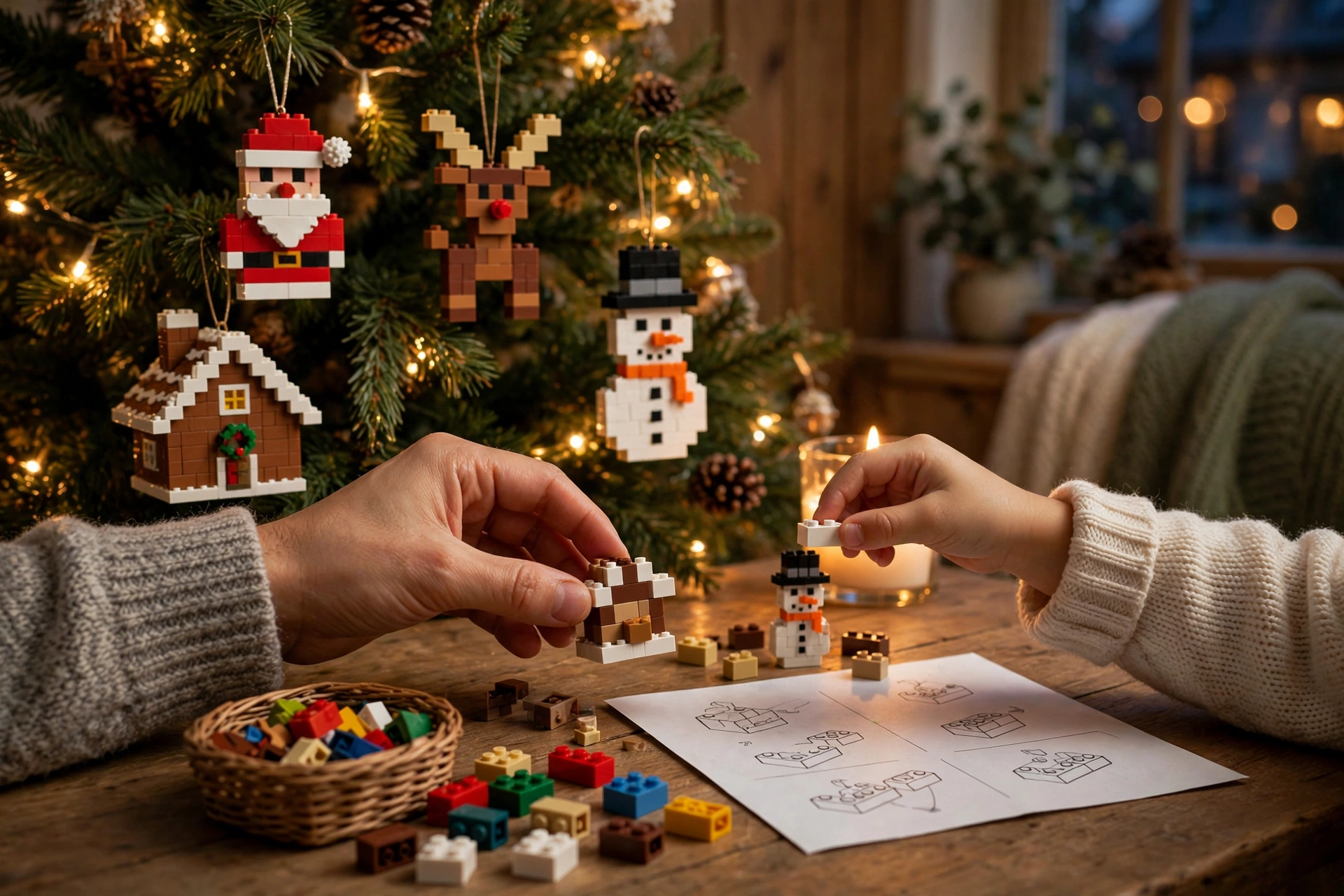
The most interesting Christmas ornament trend of 2026 does not arrive finished. It arrives in 24 small boxes, and you build it yourself — one tiny brick ornament a day, from December 1st to Christmas Eve. The mini Christmas brick ornament advent calendar has quietly become a sustained breakout: searches for it were first recorded on September 18, have been logged 146 times across the US, UK, Canada, Australia, and Germany since, and just hit a new 88,000% peak on October 3. Families are not waiting for December to buy it, and once you understand the format, the timing makes sense.
Here is what these calendars actually are, why parents are switching to them, and what to check before you buy one — because October is when the good ones sell through.
How a Brick Ornament Advent Calendar Works
The concept replaces the chocolate door with a daily build. Each day of December, you open one compartment and find a small set of interlocking bricks — typically 40 to 80 pieces — with instructions for one mini ornament. Product listings describe builds that take roughly 10 to 40 minutes depending on age and complexity. Every finished model includes a hanging loop, so the ornament goes straight onto the tree the same evening. By December 24th, the tree holds 24 handmade decorations, and the box has become a collection instead of a pile of wrappers.
The design sets lean into variety. Current calendars advertise 24 different builds with no repeats: Santa, reindeer, snowmen, gingerbread houses and characters, Christmas trees, trains, wreaths, stockings, nutcrackers, penguins, cottages, sleighs, and a few surprises like a cardinal or a Highland cow. Some editions theme the whole set — a nativity (“Holy Story”) version builds 24 faith-inspired figures from Baby Jesus to the Three Wise Men, each with gold hanging loops and tabletop display options.
That “build today, hang tonight” loop is the entire product. A pre-made ornament gives you an object. A brick ornament gives you an evening, and then the object.
Why Families Are Ditching the Chocolate Calendar
Seller pages for these calendars make the comparison aggressively, and on the core point they are right: a chocolate calendar’s experience lasts seconds, and by the second week most kids are tearing doors out of routine. A building calendar stretches the same anticipation across a daily ritual that product reviews and roundups consistently describe the same way — screen-free, repeatable, and shared. Parents build with younger kids, grandparents take a day, siblings rotate. Several sellers claim thousands of buyers in a single day for the 2026 editions, and while marketplace demand counters should always be read with a raised eyebrow, the sustained multi-country search pattern behind this trend is real and independently visible.
The finished ornaments are also keepsakes: families store the set and bring it back out the following December, turning a one-season purchase into a tradition.
Who This Gift Is Perfect For
Families with kids roughly 6 and up. The builds are designed to be completable by a child independently or with light help — satisfying, never overwhelming, in the sellers’ phrasing, and the piece counts support that.
Brick-loving households. If your family already lives in the world of interlocking bricks — and the enduring popularity of the major brick brands’ own advent calendars proves how large that world is — this format extends the hobby onto the tree. Independent mini-brick calendars compete on ornament-specific designs and hanging loops rather than minifigures and play scenes.
Gift-givers stuck on “experience” gifts. A calendar given in late November is the experience, delivered in 24 installments, and it solves the annual problem of a gift that is opened, thanked, and shelved.
Faith-based families and teachers. The Holy Story editions were built for this audience, with recognizable figure designs intended for both tree display and tabletop storytelling.
What to Check Before You Buy
Piece count and age fit. Builds in the 40-to-80-piece range suit elementary-age builders. Simpler sets frustrate older kids; complex ones frustrate everyone at 7 p.m. on a school night.
Hanging hardware included. The loop is the product’s defining feature. Confirm every build — not just some — comes with a way to hang it, and check ornament weight if your tree has soft branches.
Design list honesty. Good listings show or name the 24 designs. Vague “24 surprises” marketing sometimes hides filler repeats. The best sets publish a collection guide so you can see the Santa-to-snowman range you are paying for.
Brick compatibility and quality. Independent mini bricks vary. Reviews that mention clutch power — bricks that actually stay together on a hanging ornament — are the ones to weight heavily. An ornament that sheds pieces onto the carpet fails its only job.
Delivery timing. This is an October purchase wearing a December costume. Standard shipping windows on current listings run two to three weeks, which means late-November orders genuinely risk a December 3rd start. If you are gifting the calendar itself, order earlier than feels necessary.
The Bottom Line
Most Christmas trends ask you to buy a finished feeling. This one asks you to build it, fifteen minutes at a time, and then hang the evidence on the tree. That is why a product category with almost no editorial coverage — search results are wall-to-wall product pages — keeps setting new search peaks week after week heading into Q4. If your December could use one small ritual that everyone actually shows up for, a build-and-hang ornament calendar is the rare trend that manufactures its own memories. Just buy it in October. December-you will be grateful, standing in front of a tree that is filling up one small brick at a time.
FAQ
What is a mini Christmas brick ornament advent calendar?
It is a 24-day advent calendar where each day contains a small brick building set — usually 40–80 pieces — that builds into a Christmas ornament with a hanging loop. You build one ornament per day from December 1st to 24th and hang each on the tree.
What age is it best for?
Most sets suit children around 6 and older, with younger kids building alongside an adult. Check the piece count: simpler builds work for early elementary ages, while 80-piece builds suit older kids and adults.
When should I buy one?
October to mid-November is the practical window. Shipping on popular 2026 editions currently runs two to three weeks, and the calendar loses its purpose if it arrives after December 1st.
How is this different from a LEGO advent calendar?
The major brands’ calendars focus on minifigures and small play builds from their own themes. Mini brick ornament calendars — mostly from independent sellers — focus specifically on decorations: every build is designed to hang on your tree as a finished ornament.
