
No products in the cart.
Blog
5 Deep Meanings Behind Bad Bunny’s Super Bowl Shirt [Explained]
22
Feb
Feb
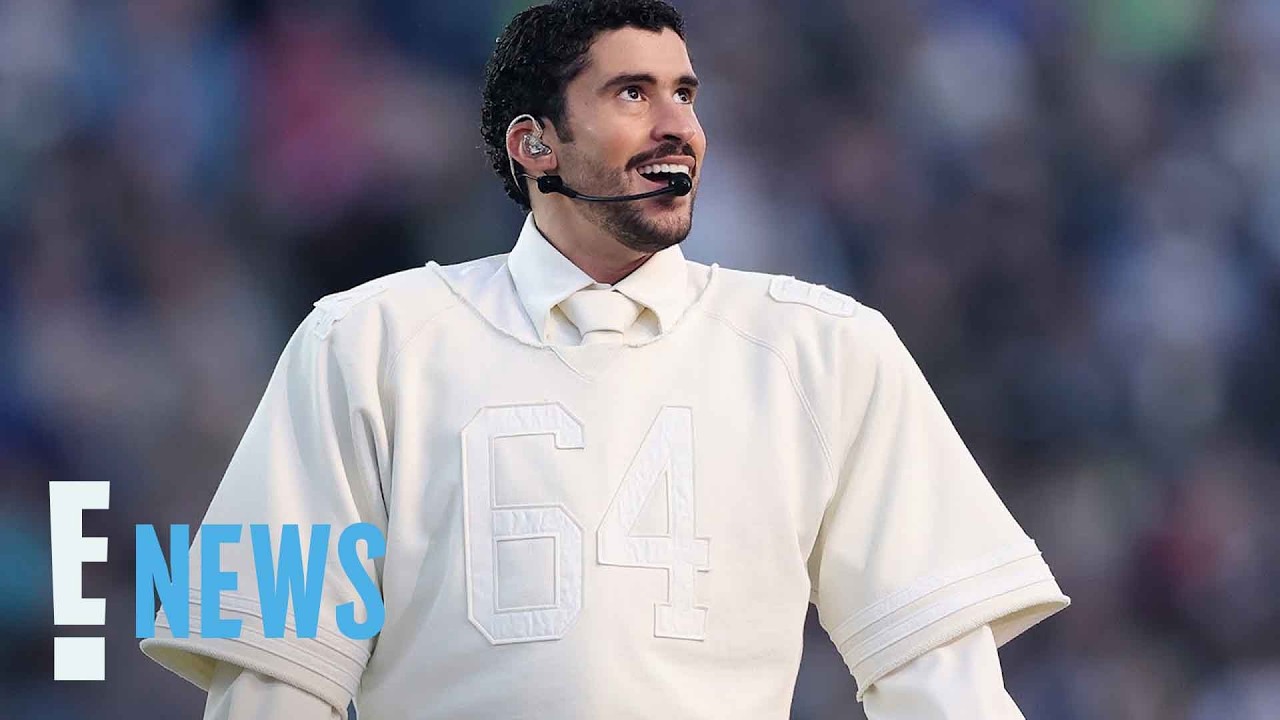
When Bad Bunny took the stage at the Super Bowl LIV halftime show, the world didn’t just witness a musical performance; they witnessed a masterclass in storytelling through fashion. For fans and cultural analysts alike, the bad bunny shirt meaning goes far beyond aesthetics. The custom “Ocasio 64” jersey and his elaborate silver ensemble were not just outfits, but a canvas of personal history, cultural pride, and profound symbolism.
At Q-finder, we understand that what you wear is often a reflection of who you are. Bad Bunny, born Benito Antonio Martínez Ocasio, used this global platform to weave a narrative that touched on family, politics, and identity. This article decodes the five deep meanings woven into his attire, revealing the powerful messages the global superstar shared with millions without saying a word, transforming the stage into a tribute to his roots and identity.
Unpacking the “Ocasio 64”: More Than Just a Name and Number
The “Ocasio 64” on Bad Bunny’s jersey is a dual tribute, honoring his mother, Lysaurie Ocasio, by displaying her surname and birth year (1964), while simultaneously paying homage to his late uncle’s passion for the San Francisco 49ers.
A Heartfelt Tribute to Family: The Story of Uncle Cutito
To truly understand the bad bunny shirt meaning, one must look into the artist’s personal history. The Super Bowl LIV matchup featured the Kansas City Chiefs against the San Francisco 49ers. For Bad Bunny, the 49ers were not just a team; they were a connection to his late uncle, affectionately known as “Uncle Cutito.”
Uncle Cutito was a massive San Francisco 49ers fan. Growing up in Puerto Rico, Benito was influenced heavily by his uncle’s passions. The choice to wear a jersey style that aligned with the 49ers’ color scheme and aesthetic was a direct nod to this familial bond. It wasn’t merely about sports; it was about memory. By stepping onto the world’s biggest stage in Miami—a city that serves as a gateway to Latin America—wearing colors that represented his uncle’s favorite team, Bad Bunny was fulfilling a silent promise.
We believe that fashion often serves as a vessel for memory. In this instance, the Bad Bunny family tribute Super Bowl jersey acted as a spiritual seat for his uncle at the game. It showcased that despite his meteoric rise to global stardom, Benito remains grounded in the love and loss that shaped his upbringing. This layer of meaning transforms the garment from merchandise into a modern relic of familial love.
Honoring His Matriarch: The Significance of “Ocasio” and His Mother’s Influence
While the team colors honored his uncle, the text on the back of the shirt, “Ocasio 64,” offered a different, equally powerful narrative. “Ocasio” is his mother’s surname—Lysaurie Ocasio. In many Latin American cultures, the mother’s role is central to the family structure, yet in the male-dominated world of urban music, maternal tributes are often overshadowed by bravado.
The number “64” is widely interpreted as his mother’s birth year, 1964 birth year. By emblazoning her name and birth year on his back, Bad Bunny literally and figuratively carried his lineage with him. This Ocasio 64 jersey significance lies in its subversion of traditional jersey norms. Usually, a jersey bears the name of a star athlete. Here, the “star” Bad Bunny chose to represent was his mother, a retired schoolteacher who kept him grounded.
This gesture resonates deeply with the LSI Keywords regarding cultural identity. It signals that no matter how famous Benito Antonio Martínez Ocasio becomes, he is ultimately the son of Lysaurie. It is a public declaration of gratitude, acknowledging that his path to the Super Bowl began with her support and upbringing in Vega Baja.
A Symbol of National and Cultural Identity
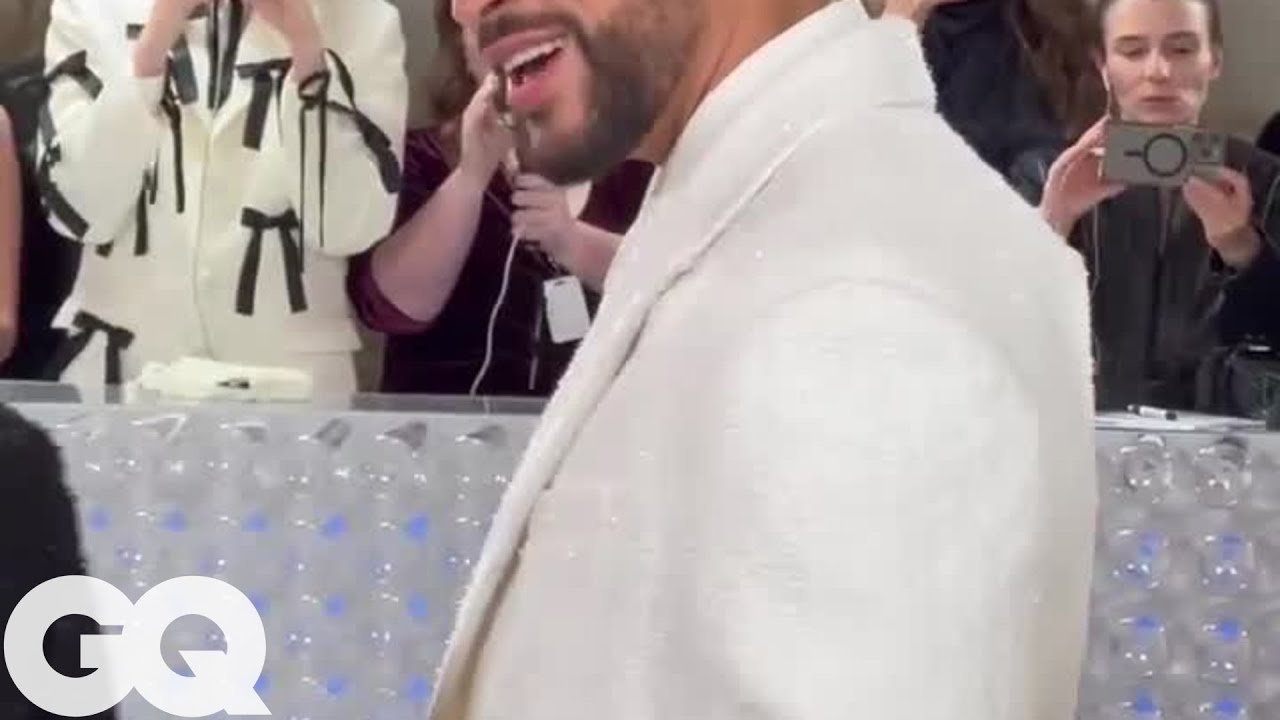
Bad Bunny’s outfit was a calculated representation of Puerto Rican heritage, utilizing symbols like the Jíbaro rope belt to highlight the resilience and history of his people on a mainstream American stage.
Embracing Puerto Rican Heritage on a Global Stage
The Super Bowl halftime show is one of the most-watched television events in history. For a Latin artist, the pressure to assimilate or present a “palatable” version of their culture is immense. However, the Bad Bunny Super Bowl outfit represent-ation was unapologetically Puerto Rican.
He did not shy away from his roots; he amplified them. The entire performance, alongside Shakira and Jennifer Lopez, was a celebration of Latinidad. But Bad Bunny’s specific contribution was to bring the “calle” (street) and the “campo” (countryside) of Puerto Rico to the forefront. His presence was a validation for millions of Puerto Ricans watching from the island and the diaspora.
The Bad Bunny shirt message explained here is one of visibility. By wearing custom pieces that reflected his specific heritage rather than a generic “Latin” look, he challenged the homogenization of Latin culture. He reminded the world that Puerto Rico has a distinct identity, history, and struggle. This aligns with the broader LSI Keywords of Puerto Rican heritage and Latin music influence, showcasing how reggaeton has become a vehicle for cultural export and pride.
The Jíbaro Rope Belt: A Nod to Puerto Rican Farmers and a Symbol of Humility
One of the most subtle yet profound details of his ensemble was the rope belt tied around his waist. To the uninitiated, it might have looked like an avant-garde fashion choice. To Puerto Ricans, it was a clear reference to the “Jíbaro.”
The Jíbaro is the traditional Puerto Rican mountain farmer, a symbol of hard work, subsistence, and independence. Historically, Jíbaros used rope belts to hold up their trousers and carry their machetes. By incorporating this element into a high-fashion, Swarovski-encrusted look, Bad Bunny created a stark contrast that highlighted the Meaning of 64 on Bad Bunny’s shirt and outfit: the intersection of humility and superstardom.
At Q-finder, we see this as the ultimate form of fashion symbolism. It bridges the gap between the rural history of Puerto Rico and the glitz of the NFL. It tells a story of social mobility without erasing the past. The rope belt served as a grounding wire, ensuring that even as he floated on a stage above the field, his connection to the working-class people of Puerto Rico remained unbroken.
Fashion as a Form of Self-Expression and Political Statement
Bad Bunny’s attire served as a political statement on inclusivity and resistance, blending high-fashion aesthetics with historical references like the Zoot Suit to challenge norms and advocate for Latino presence in America.
Why a Custom Zara Outfit?: Accessibility and a “Together, We Are America” Message
Interestingly, parts of Bad Bunny’s look were reported to be a Zara custom outfit. While he had access to the world’s most exclusive luxury houses, choosing a brand known for accessibility (albeit a custom version) speaks volumes. This choice mirrors the “Together, we are America” sentiment—the idea that the American dream and the global stage should be accessible to all, not just the elite.
The Bad Bunny Super Bowl political statement shirt and overall look challenged the exclusivity of the event. It suggested that style and impact are not solely defined by price tags but by the confidence and message of the wearer. This aligns with his history of political activism, where he has frequently used his platform to advocate for social issues in Puerto Rico and beyond.
For our audience at Q-finder, this emphasizes that you don’t need a million-dollar wardrobe to make a statement. Whether it’s a custom piece or a Custom Graphic Tee, the power lies in the personalization and the meaning you imbue into the fabric.
The Zoot Suit Influence: A Subtle Nod to Cultural Rebellion and Identity
Fashion historians noted that Bad Bunny’s silver trench coat and baggy pants silhouette paid homage to the “Zoot Suit” era. Zoot suits were historically worn by Mexican-American (Pachucos) and African-American youths in the 1940s as a symbol of rebellion against mainstream white society. They were controversial, often deemed “unpatriotic” during wartime due to the amount of fabric used, but became a badge of honor and distinct cultural identity.
By channeling this silhouette, the Bad Bunny shirt meaning expands to include a history of resistance. He was visually aligning himself with generations of Latinos who have used fashion to carve out space in a society that often rejected them. This is self-expression at its most potent—using the history of fashion to comment on the present. It reinforces the narrative that Latinos belong in the fabric of American culture, loud and unapologetic.
Connecting with Fans and Sharing a Personal Passion
The outfit bridged the gap between celebrity and fan by highlighting Bad Bunny’s genuine love for sports, specifically his inherited fandom for the San Francisco 49ers, making him relatable to millions.
A Lifelong 49ers Fan: How His Uncle’s Passion Shaped His NFL Fandom
The Why did Bad Bunny wear Ocasio on his jersey? question has a simple, human answer: he is a fan. Beyond the deep cultural analysis, there is the joy of a San Francisco 49ers fan watching his team play. This humanizes the superstar. It reminds us that before he was Bad Bunny, he was a kid watching NFL games with his uncle, cheering for touchdowns and agonizing over losses.
This aspect of the Bad Bunny shirt meaning resonates with anyone who has inherited a sports allegiance from a family member. It creates a bond with the audience that transcends music. When fans saw him in those colors, they didn’t just see a performer; they saw a fellow fan living out a fantasy.
From Family Tradition to the Super Bowl Stage: Fulfilling a Dream
Wearing the jersey was the culmination of a journey. It represented the fulfillment of a dream that likely started in the living rooms of Vega Baja. To go from watching the Super Bowl on TV to performing in it, all while wearing the colors of the team your family loved, is the ultimate success story.
This narrative arc is crucial for the target audience of young adults and millennials. It serves as inspiration. It validates the idea that you can bring your authentic self—your family name, your hobbies, your weird quirks—to your professional pinnacle. You don’t have to change who you are to succeed; in fact, embracing who you are, as Bad Bunny did with his Ocasio 64 jersey significance, is often the key to standing out.
How to Channel Bad Bunny’s Energy: Expressing Yourself Through Your Style
You can channel Bad Bunny’s iconic energy by using fashion as a tool for storytelling, customizing your clothing to reflect your personal heritage, family values, and unique identity.
Bad Bunny teaches us that clothing is communicative. You don’t need to be a global superstar to apply this principle. Whether you want to honor a loved one, celebrate your heritage, or simply make a statement about who you are, custom apparel is the perfect medium.
At Q-finder, we have found that our customers often seek that same level of connection with their clothing. They want items that speak for them. To channel Bad Bunny’s energy, start by asking yourself: What is my story? What numbers, names, or symbols hold weight in my life?
- Identify Your Symbols: Just as Benito used “64” and the rope belt, find symbols that represent your journey.
- Mix High and Low: Don’t be afraid to mix accessible items with custom touches.
- Be Fearless: Bad Bunny’s style is defined by confidence. Wear what makes you feel powerful.
If you are looking to create a piece that tells your story, perhaps a Custom Graphic Tee is the right place to start. Customization allows you to be the author of your own visual narrative, just as Bad Bunny authored his on the Super Bowl stage.
Conclusion
Bad Bunny’s Super Bowl shirt was a powerful statement, intricately weaving together tributes to his family, his Puerto Rican heritage, and his personal journey. By choosing “Ocasio” and “64,” he honored his late uncle and his mother, grounding his monumental performance in love and memory. This act of fashion symbolism demonstrates how clothing can transcend aesthetics to become a profound narrative of identity, pride, and connection, leaving a lasting impact beyond the final score.
As we look toward future events like Super Bowl LX, the legacy of Bad Bunny’s performance reminds us that the halftime show is a platform for cultural dialogue. For fans seeking the bad bunny shirt meaning, the answer lies in the heart of the artist: a man who, despite his fame, remains Benito Antonio Martínez Ocasio, a proud son of Puerto Rico.
Inspired by Bad Bunny’s meaningful style? Explore our collection of custom apparel at Q-finder to tell your own story and wear your identity with pride.
