
Style & Tips
Best DIY Wrinkle Release Sprays: How to Straighten Clothes on the Go
Oct
Best DIY Wrinkle Release Sprays: How to Straighten Clothes on the Go
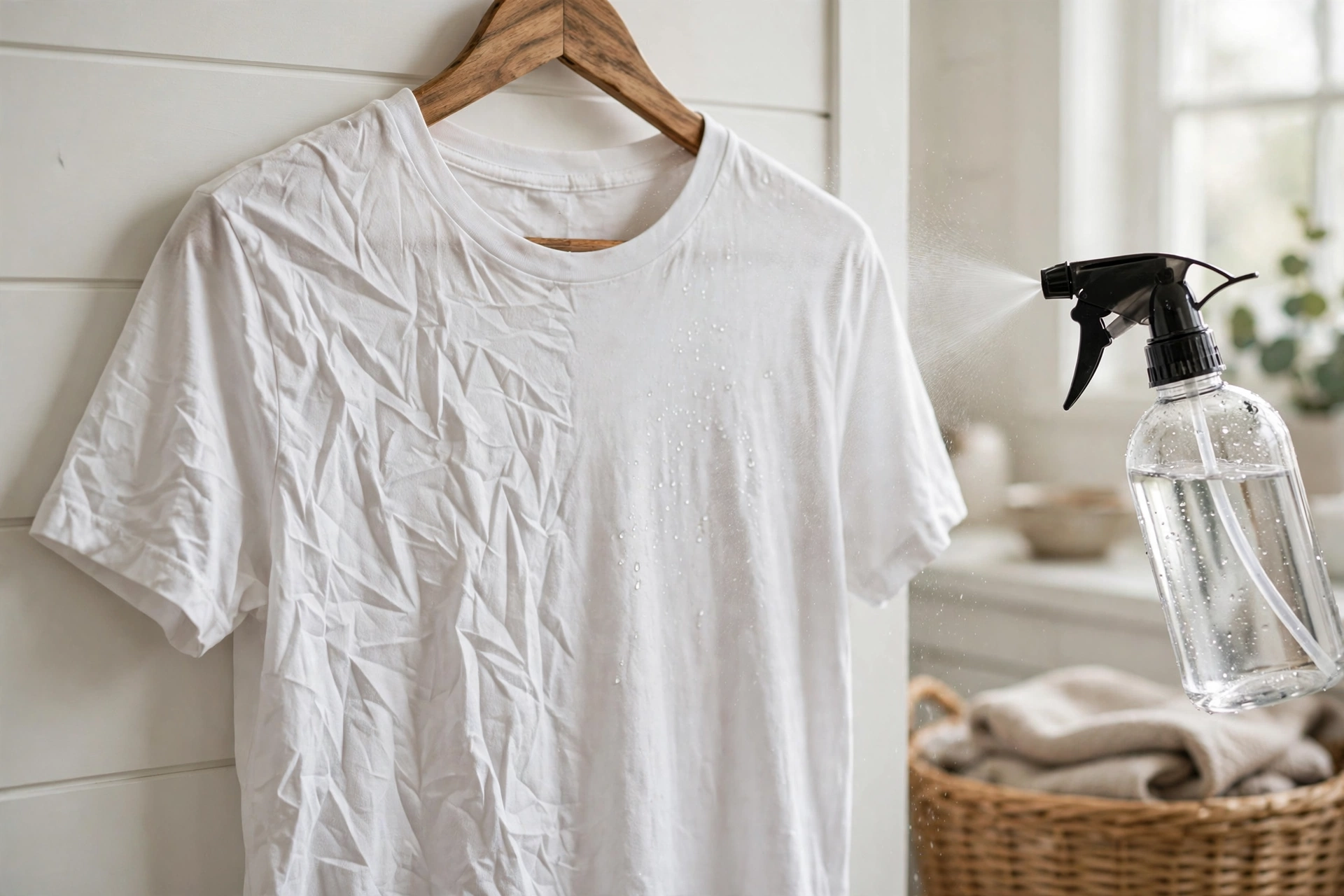
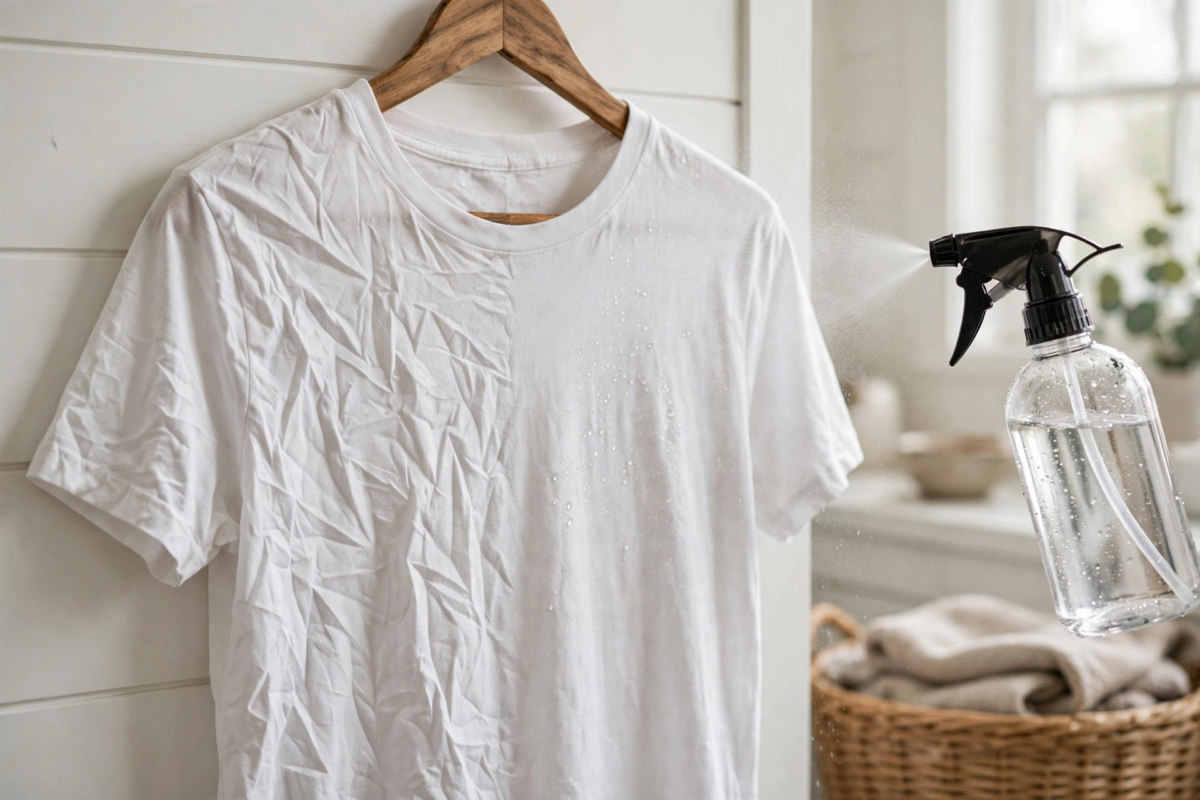
Yes — a good homemade wrinkle release spray genuinely works on light to moderate wrinkles, and it costs pennies per bottle. The trick isn’t fancy chemistry: the water lightly dampens and weighs down the fabric so the fibers relax, while a tiny bit of fabric softener, hair conditioner, or white vinegar helps them settle smooth. Mist it on, smooth the garment with your hands, hang it up, and let gravity do the rest. No iron, no steamer, no plugging in a thing — which is exactly why this little bottle has become a travel and “I woke up late” essential.
That said, not all DIY recipes are equal. Some go heavy on vinegar (great freshener, but it can leave a whiff if you over-spray), some use fabric softener (effective, though one source cautions it can spot fabrics at higher concentrations), and some add rubbing alcohol so clothes dry faster. Here’s the distilled version of the most-cited recipes — three tested formulas, exact ratios, honest fabric-safety rules, and travel tips.
How It Works
Store-bought sprays work by loosening fibers with water plus a little softening agent so they settle smooth as the fabric dries under gravity. DIY versions copy that principle:
- Water — the real workhorse. Damp fabric is what relaxes fibers.
- Fabric softener or hair conditioner — coats fibers so they slide smooth instead of springing back. Conditioner is the gentler option several sources prefer.
- White vinegar — relaxes fibers and doubles as an odor freshener; the smell fades as the garment dries.
- Rubbing alcohol (or vodka) — evaporates faster than water, so clothes dry quicker, and helps the softener penetrate fibers.
Use distilled or bottled water over hard tap water — it prevents mineral buildup in the bottle.
Recipe 1: The Classic Fabric-Softener Spray
The most-cited recipe online, often described as working “just as well as the store-bought bottle.”
- 1 cup (240 ml) distilled or bottled water
- 1 teaspoon liquid fabric softener (or hair conditioner)
- An 8–12 oz fine-mist spray bottle
Combine, shake gently, and label the bottle. Because the mix has water and no preservative, make small batches and replace it if the smell, color, or appearance changes.
Recipe 2: The Fast-Dry Alcohol Spray (Best for Travel)
When you need a wrinkled shirt wearable in 15 minutes, this is the recipe. The rubbing alcohol makes the garment dry noticeably faster.
- 1 cup (240 ml) distilled or bottled water
- 3 teaspoons liquid fabric softener or hair conditioner
- 2 teaspoons rubbing alcohol
- A 16 oz spray bottle
Shake well. Mist the wrinkled areas until the fabric is damp, not soaking, then gently pull the fabric taut and rehang. The alcohol speeds up drying, relaxes fibers more aggressively, and helps the softener penetrate — that’s why this version smooths faster than water and softener alone.
Recipe 3: The All-Natural Vinegar Spray
For anyone who’d rather avoid softeners and alcohol entirely, the vinegar route is the natural staple of the DIY laundry world.
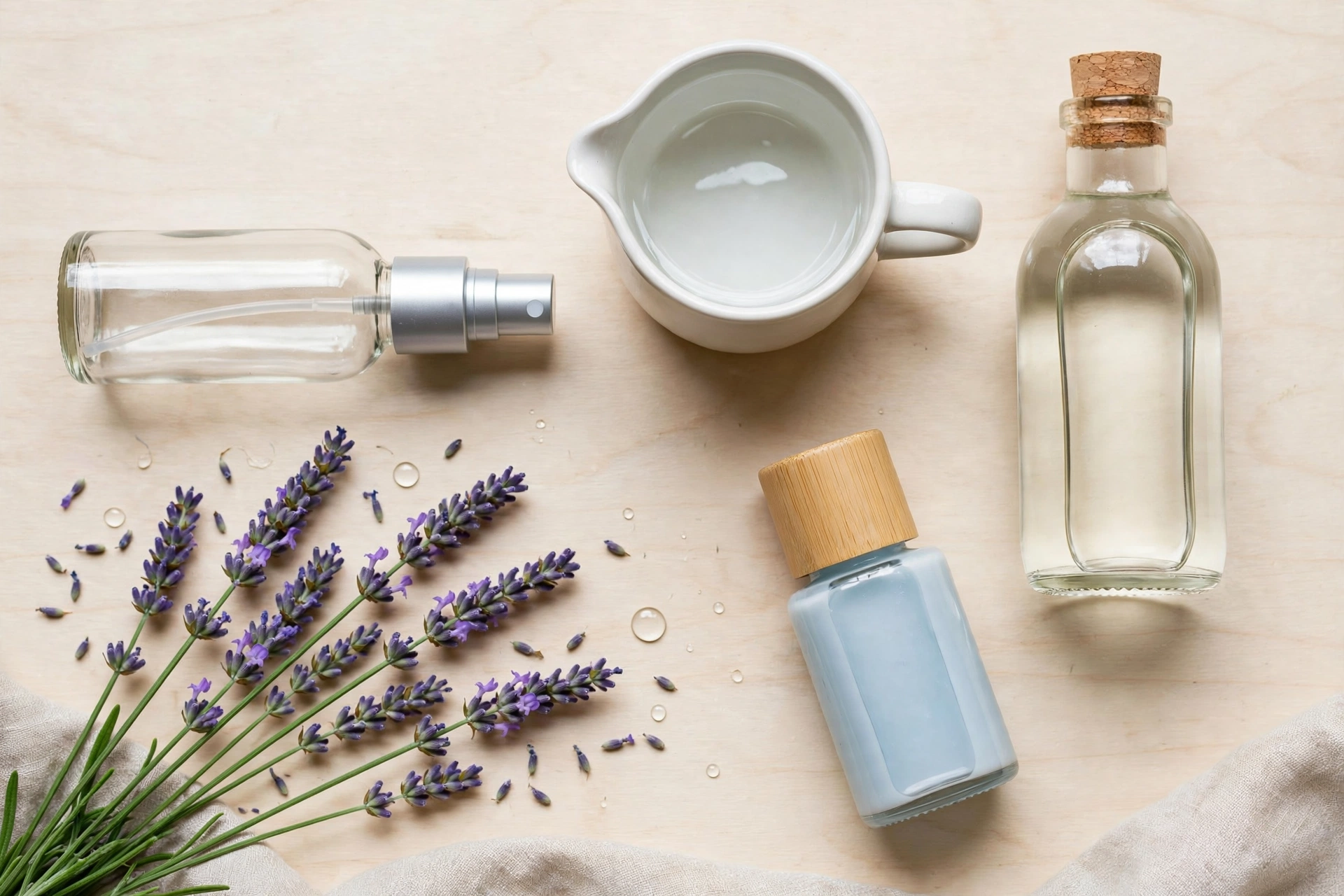
- 1 cup (240 ml) filtered or distilled water
- 1 cup distilled white vinegar
- 6–8 drops of colorless essential oil (lavender, peppermint, or rosemary)
Shake well and spray with a sweeping motion. It doubles as a fabric freshener, knocking out stale-laundry odors without leaving residue. Fair warning: over-spray and the garment can smell faintly of vinegar until fully dry — mist lightly and let the essential oils do the scent work. Use colorless oils only, so nothing stains.
How to Use It: The Technique Matters as Much as the Recipe
- Hang the garment. A hanger gives the fabric room to relax and makes smoothing much easier. Laying it flat works, but hanging lets gravity help.
- Spot-test first. Mist a hidden seam or inside hem, let it dry completely, and check for water marks, color transfer, or texture changes.
- Mist lightly from several inches away. The fabric should be barely damp, not soaked. Wet spots take longer to dry and can leave marks.
- Smooth and reshape with clean hands. Pull gently along the fabric; shape collars, cuffs, and hems. For stubborn areas, grab the garment by the shoulders and give it a firm shake — this is the trick that does half the work.
- Let it air-dry completely before wearing or packing. Give it 10–20 minutes; the alcohol recipe dries faster.
Fabric Safety: When to Spray and When to Skip
Best on washable, colorfast fabrics — cotton, polyester, and cotton blends. Always read the care label, and skip or be very cautious on:
- Silk, rayon, acetate — prone to water spots; spot-test a hidden area and mist as lightly as possible.
- Suede, leather, dry-clean-only, embellished garments — never.
- Towels, microfiber, technical athletic fabrics — softener can coat fibers and kill absorbency or performance; use plain water or a steamer instead.
Note: softener in a spray is far more concentrated than in a wash cycle, which is why over-spraying can leave spots or a waxy film. Keep the ratio small and mist lightly — or use the conditioner or vinegar recipe if you’re worried.
Travel Tips: Keep a Bottle in Your Bag
Decant a 2–3 oz bottle for carry-on (scales down easily: ~2.5 tbsp distilled water, 1.5 tsp white vinegar, 1.5 tsp hair conditioner, a few drops of essential oil). Keep a bottle in the car for late-for-work mornings. Pre-spray right after the dryer — or right before wearing — to stop wrinkles setting in. And know the limit: deeply set creases from clothes left in a basket overnight may still need an iron or steamer.
For another iron-free option, check out our guide to unwrinkling clothes in the dryer with ice-cube and damp-towel tricks — it pairs perfectly with a wrinkle spray for a completely iron-free laundry routine.
Frequently Asked Questions
Does DIY wrinkle release spray really work?
Yes, on light to moderate wrinkles. Multiple independent DIY and laundry sources confirm it performs about as well as commercial sprays. Deeply set creases may still need an iron.
Can I use fabric softener in a spray bottle?
Yes, at small ratios (about 1 teaspoon per cup of water). It’s more concentrated than in a wash cycle, so mist lightly — heavy spraying can leave spots or a waxy residue. Hair conditioner is a gentler, commonly recommended substitute.
Is white vinegar safe on clothes?
On washable cotton and polyester, yes — it relaxes wrinkles and freshens odors, and the smell fades as it dries. Avoid silk and rayon, and don’t over-spray or the vinegar scent will linger.
Can I use it on silk or delicate fabrics?
Only with extreme caution. Silk and rayon can water-spot — spot-test a hidden area, use the finest mist, and consider a steamer for anything expensive or dry-clean-only.
How long does homemade wrinkle spray keep?
Make small batches and use within a few weeks. Discard and remake if the smell, color, or appearance changes.
The Bottom Line
You don’t need an $8 bottle or a hotel ironing board to look put-together. A spray bottle, a cup of water, and a teaspoon or two of something you already own is a legitimate wrinkle fix for everyday cotton and poly blends. Keep the ratios modest, respect the care label, and always spot-test.
